A clinician’s practice, and the work it produced.
Clinical background.

For more than twenty years, my clinical work has centered on neurodivergent adolescents and emerging adults, and on the families and programs trying to support them. That work has unfolded across private practice, transitional and residential settings, in‑home support, and consultation with treatment teams. Each setting surfaces a different version of the same problem; seeing the pattern across them is what made the framework possible.
The clinical orientation has been consistent. I take the developmental view seriously: capacity is built, not summoned. I refuse the frame that treats stuckness as a character problem — defiance, motivation deficit, refusal to grow up. The behavior that gets read as resistance is most often a nervous system telling the truth about what it can hold right now, and the right response is structural rather than persuasive.
What that means in practice is patient, paced work that anchors interventions to what the system can actually access, builds skill explicitly where it is missing, and transfers ownership only as fast as the person can durably carry it. Twenty years taught me the cost of doing this in the wrong order. The framework was the synthesis that emerged.
What emerged from the practice.
The CSO Framework™ grew out of practice, not theory. Over more than two decades working with neurodivergent adolescents, emerging adults, families, and interdisciplinary teams, I found myself returning to the same questions again and again: What is actually helping people move toward sustainable independence? What are we mistaking for progress? Why do some individuals demonstrate insight, intelligence, and even motivation, yet still struggle to consistently access daily functioning? Over time, I began noticing that many of the models being used around neurodivergence, executive functioning, and independence were either too behavioral, too deficit‑focused, or too disconnected from the realities of nervous system regulation and real‑world access.
The CSO Framework™ emerged as a working synthesis from that lived and professional experience. It organizes development through three interconnected layers — Capacity, Skill, and Ownership — across fourteen domains of functioning that influence independence, regulation, and daily life participation. Rather than viewing success as simply “can they do it,” the framework examines whether someone can access the skill consistently, sustainably, and with increasing ownership over time. What began as language used internally in coaching, counseling, and staff development has evolved into a broader framework for understanding neurodivergent functioning, support, and growth — with certification pathways and program licensing models in active development.
Gemba Boise — the clinical lab.
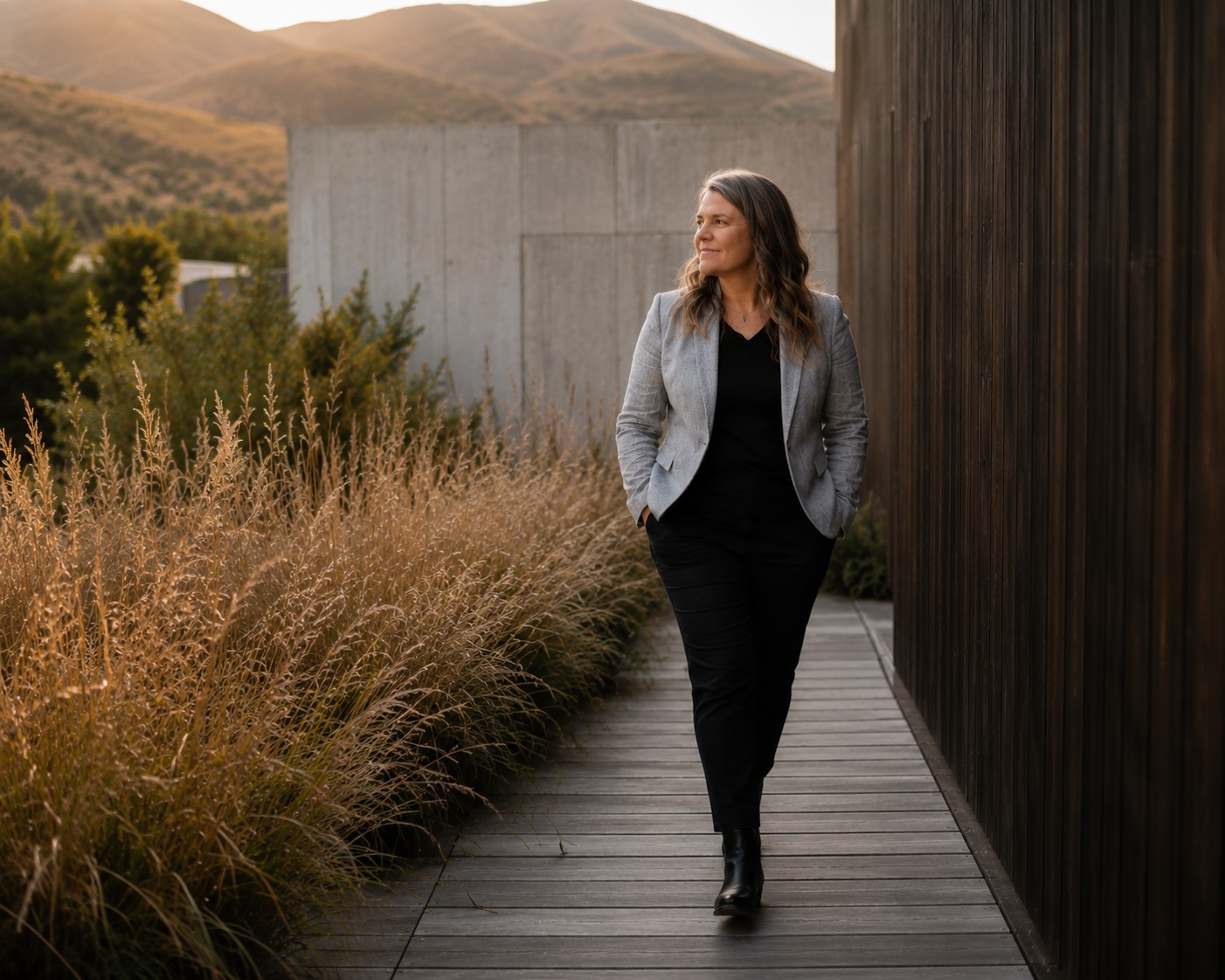
Gemba Boise is where the work lives in real time. It is the environment where I continue to work directly alongside neurodivergent adolescents and adults, families, coaches, and interdisciplinary teams — not in theory, but in the complexity of everyday life. The CSO Framework™ is continuously pressure‑tested there through real relationships, real systems, real setbacks, and real growth. Much of what shaped the framework emerged from observing what actually creates sustainable access, ownership, regulation, and independence over time.
Amee Hardy, LLC is the vehicle through which that work expands beyond a single program. Through writing, speaking, training, consultation, certification development, and future licensing pathways, the LLC exists to bring the ideas, language, and practical applications of the CSO Framework™ into the broader field supporting neurodivergent adolescents and adults.

The work beyond the practice.
Over the next several years, Amee Hardy, LLC is being built to expand the reach and application of the CSO Framework™ beyond a single practice environment. The long‑term vision includes professional certification pathways, program licensing, trade publishing, interdisciplinary training, and institutional consultation centered around neurodivergent development, executive functioning, regulation, and emerging adulthood.
This work is designed for clinicians, coaches, educators, therapeutic programs, and placement professionals who are looking for a more developmental, relational, and capacity‑aware approach to support. Much of the current field still operates from compliance‑based models that focus heavily on behavior while overlooking nervous system regulation, access barriers, and the conditions required for sustainable functioning. The goal of this work is not simply to improve outcomes, but to offer a more accurate language and framework for understanding how neurodivergent people build independence, ownership, and meaningful lives over time.